Many people seek ways to address uneven skin tone, whether from sun exposure, acne scars, or hormonal changes. This guide focuses on lotions that help fade dark spots and promote a more balanced complexion through gentle, evidence based approaches.
We will explore products that prioritize hydration and gradual improvement, backed by transparent ingredients and real world considerations.
Importantly, this is not about drastic color changes or endorsing unattainable ideals. We are not promoting bleaching agents or quick fixes that risk health.
Instead, we emphasize options aligned with global health guidelines, avoiding banned substances like mercury or unregulated steroids. Rising regulations, such as bans on high mercury products in the EU and US, highlight why safety comes first over 10 billion dollars are spent annually on skin care, but harmful items still slip through.
Here, we stick to lotions suitable for everyday use, with realistic expectations for results over weeks, not days.
What Safe Skin Lightening Actually Means (Scientifically)
Achieving a more even skin tone involves understanding how melanin the pigment that gives skin its color works. Excess melanin can lead to patches or dullness, often triggered by sun, inflammation, or aging. Safe methods target this without harming the skins barrier.
Skin Lightening vs Skin Bleaching (Clear Difference)
Skin lightening gently reduces excess melanin in specific areas, like dark spots from acne or sun damage, to create uniformity.
It uses ingredients that slow melanin production without stripping the skin entirely, allowing natural protection to remain. This approach is gradual and focuses on health, often incorporating moisturizers and antioxidants.
Skin bleaching, by contrast, aggressively suppresses melanin across the whole body, aiming for a paler overall shade.
It relies on harsh chemicals that can damage the skins structure, leading to thinning, irritation, or permanent discoloration.
Bleaching often involves unregulated products with risks like ochronosis (a blue black tint) or increased sun sensitivity. Lightening supports the skins natural processes; bleaching disrupts them.
Ingredients Dermatologists Consider Safe for Long Term Use
Experts recommend components that brighten without aggression. Niacinamide (vitamin B3) strengthens the skin barrier while fading spots by blocking melanin transfer effective at 2 to 5 percent concentrations. American Academy of Dermatology on fading dark spots.
Alpha arbutin inhibits tyrosinase, the enzyme behind melanin, offering gentle results for hyperpigmentation.
Kojic acid, derived from fungi, works similarly at safe levels (under 1 percent) to even tone.
Azelaic acid tackles inflammation and pigmentation, ideal for acne prone skin. Vitamin C derivatives, like L ascorbic acid, provide antioxidant protection and brighten by reducing melanin oxidation. Licorice root extract soothes and lightens naturally.
These are backed by studies for long term use, minimizing risks when combined with sunscreen.
Ingredients to Avoid in Skin Lightening Creams (Red Flags)
Not all products are created equal some contain hidden dangers that regulators worldwide are cracking down on.
Ingredients Banned or Restricted in Many Countries
Mercury compounds, like mercurous chloride, are prohibited in cosmetics under the Minamata Convention, yet they appear in unregulated creams, causing kidney damage and neurological issues. FDA on skin product safety.
High percentage hydroquinone (over 2 percent without prescription) is restricted in the EU and requires oversight in the US due to risks of irritation and ochronosis.
Steroids such as clobetasol propionate or betamethasone are banned in non medical cosmetics; they thin skin and cause rebound darkening.
Unlabeled blends often hide these, violating FDA rules. Formaldehyde releasing preservatives are phased out in places like California for toxicity.
Why Quick Results Claims Are Usually Dangerous
Promises of overnight transformation often signal aggressive formulas that disrupt the skin barrier, leading to dryness, increased sensitivity, or permanent scars.
Rapid melanin suppression can cause rebound hyperpigmentation when stopped, as the skin overproduces pigment to compensate. Health agencies warn that such claims ignore the skins natural renewal cycle, which takes 4 to 6 weeks.
Prioritizing speed over safety heightens risks like infections or uneven tone.
How We Selected These 10 Safe Skin Lightening Creams
We did not pick randomly each lotion was evaluated against strict standards to ensure reliability.
Selection Criteria
- Ingredient Transparency: Full lists available, with no hidden or banned substances like mercury or high hydroquinone.
- Regulatory Approval: Compliant with FDA, EU, or NAFDAC guidelines, avoiding restricted items.
- No Banned Substances: Free from mercury, steroids, or unregulated hydroquinone.
- Suitable for Long Term Use: Formulas with hydrating bases and gentle actives, not aggressive bleaches.
- Realistic Results: Expect gradual changes over 4 to 8 weeks, focusing on evenness rather than drastic shifts.
We cross referenced dermatologist recommendations, EWG ratings, and recent 2026 updates on bans.
10 Safe Skin Lightening Creams (Detailed Reviews)
1. Jergens Carrot Body Lotion
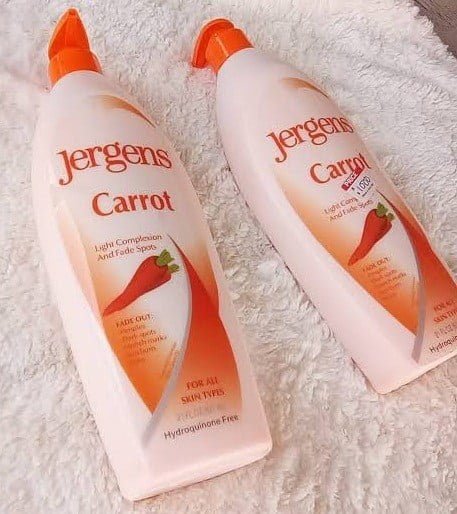
This lotion draws on carrot oils natural beta carotene to subtly enhance glow and fade minor spots from sun or dryness.
What It Does: Targets dullness and uneven patches, promoting hydration for a smoother, brighter appearance without altering base tone.
Key Active Ingredients: Carrot oil (antioxidant rich), vitamins C, E, and B5 (for barrier support and mild brightening), aloe vera (soothing).
Who It Is Best For: Dry or normal skin types seeking everyday moisture with subtle lightening; great for body wide use.
What to Expect (Realistic Timeline): Week 2 to 4: Improved hydration and subtle glow. Week 6 to 8: Noticeable reduction in minor spots.
Safety Notes: Pregnancy safe; may increase sun sensitivity pair with SPF. Patch test for allergies. Official Jergens site
2. Nivea Natural Fairness Cream
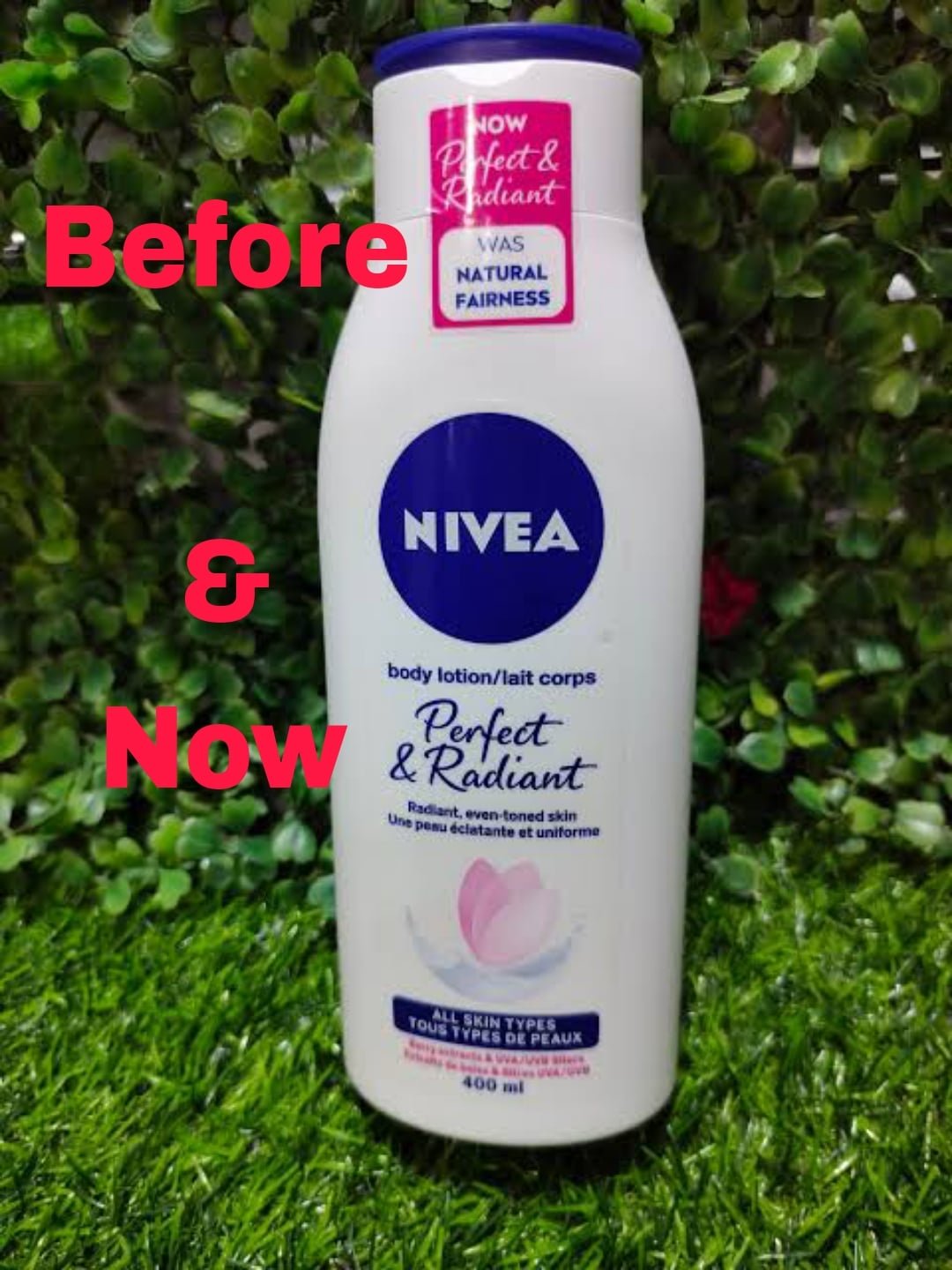
Formulated with berry extracts, this cream aims to unify tone through natural antioxidants.
What It Does: Addresses hyperpigmentation from environmental factors, leaving skin smoother and more radiant.
Key Active Ingredients: Licorice root extract (inhibits melanin), strawberry and raspberry juices (vitamin C sources), tocopheryl acetate (vitamin E for protection).
Who It Is Best For: Combination skin needing balance; suitable for face and body.
What to Expect (Realistic Timeline): Week 2 to 4: Enhanced softness. Week 6 to 8: Faded dark areas.
Safety Notes: Avoid if sensitive to fragrances; includes UV filters but use extra sunscreen. Not for open wounds. Official Nivea site
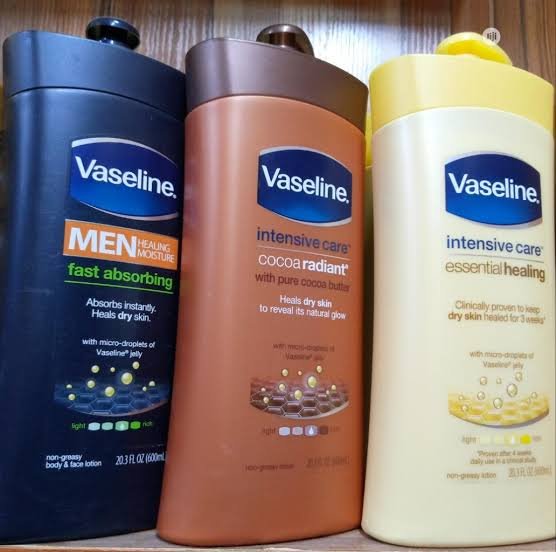
3. Vaseline Intensive Care Body Lotion
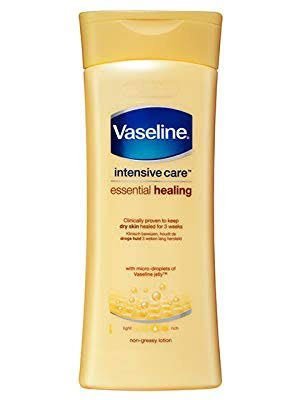
A classic hydrator with variants like cocoa radiant for added glow.
What It Does: Moisturizes deeply while subtly evening tone through nourishment.
Key Active Ingredients: Glycerin (humectant), cocoa butter (emollient), vitamin E (antioxidant).
Who It Is Best For: Dry, mature skin; ideal for those prioritizing repair over intense lightening.
What to Expect (Realistic Timeline): Week 2 to 4: Reduced dryness. Week 6 to 8: Smoother, brighter texture.
Safety Notes: Generally safe; mineral oil base may clog pores in oily types. Pregnancy friendly. Official Vaseline site
4. Palmers Cocoa Butter Lotion
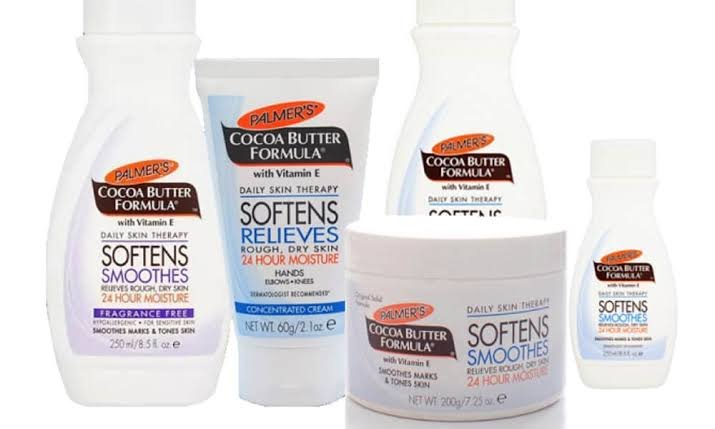
Rich in cocoa, this lotion focuses on scars and marks.
What It Does: Softens and fades imperfections like stretch marks or acne scars.
Key Active Ingredients: Cocoa seed butter (hydrates), vitamin E (repairs), sunflower seed oil (antioxidants).
Who It Is Best For: Dry, scarred skin; good for post pregnancy care.
What to Expect (Realistic Timeline): Week 2 to 4: Softer feel. Week 6 to 8: Diminished marks.
Safety Notes: Safe for most; avoid if allergic to nuts. Use sunscreen as it may sensitize. Official Palmers site
5. Pr Francoise Bedon Lotion
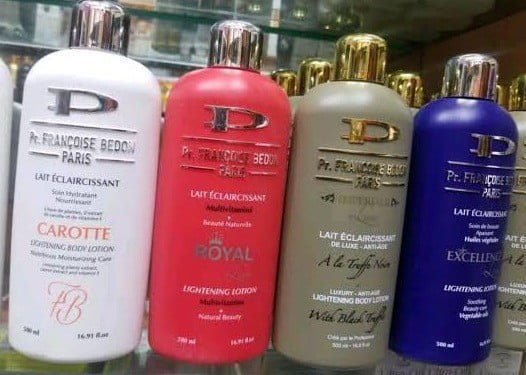
Plant based with licorice for targeted fading.
What It Does: Evens tone, reduces spots from melasma or sun.
Key Active Ingredients: Licorice extract (brightens), kojic acid (inhibits melanin at safe levels), argan oil (moisturizes).
Who It Is Best For: Darker tones with hyperpigmentation; oily to normal skin.
What to Expect (Realistic Timeline): Week 2 to 4: Hydrated glow. Week 6 to 8: Spot reduction.
Safety Notes: Hydroquinone free versions only; patch test. Not for sensitive skin due to actives. Note: Some variants have been flagged for hydroquinone verify labels.
6. QEI+ Paris Cream
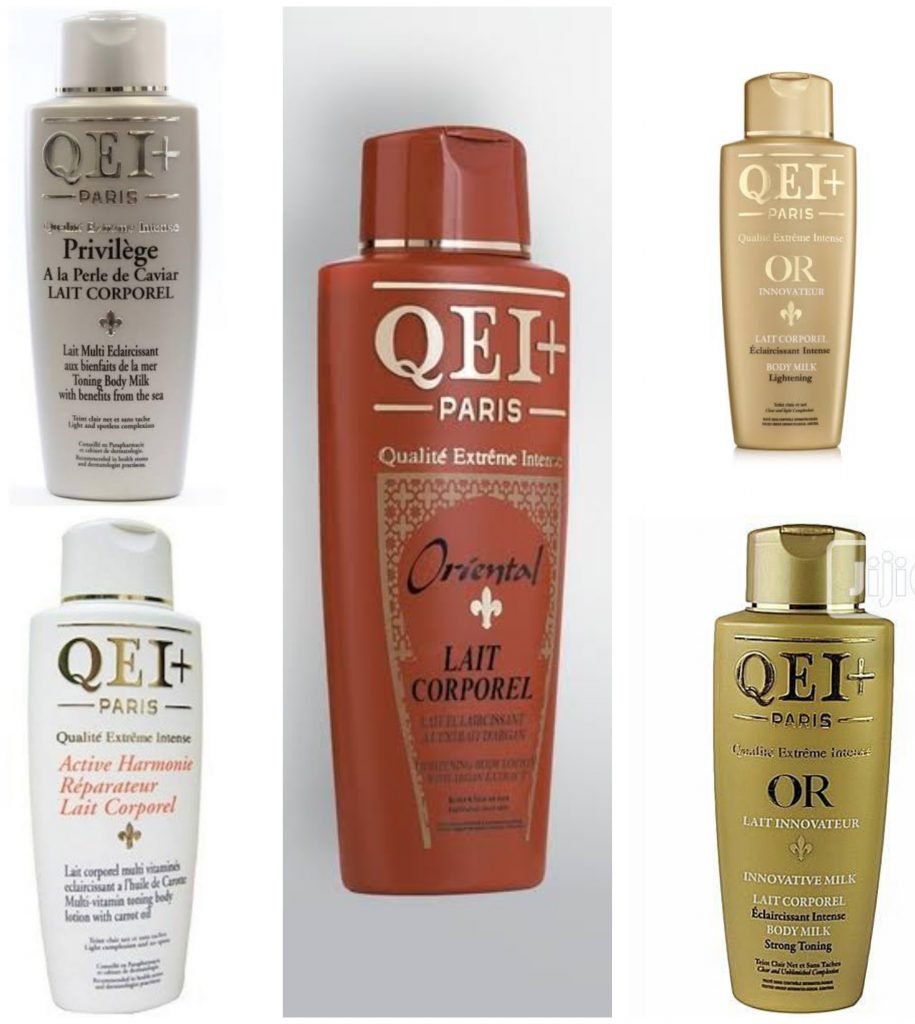
Enriched with plant extracts for radiance.
What It Does: Brightens dull areas, nourishes for evenness.
Key Active Ingredients: White mulberry (fades spots), sweet almond (soothes), glycerin (hydrates).
Who It Is Best For: Sensitive skin wanting natural options.
What to Expect (Realistic Timeline): Week 2 to 4: Comfortable moisture. Week 6 to 8: Unified tone.
Safety Notes: Avoid if nut allergic; includes SPF elements but add more. Safe for daily use.
7. 55H+ Body Lotion
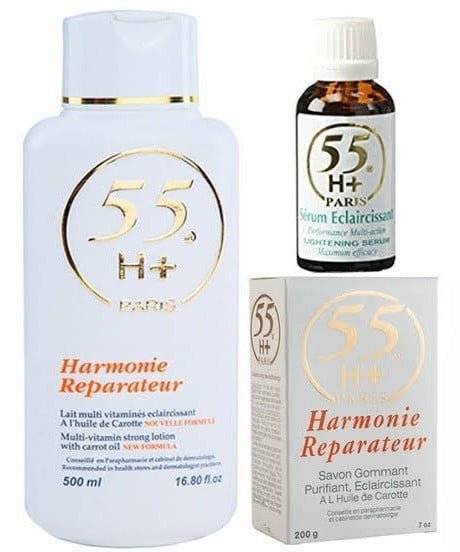
Multi action for tone correction.
What It Does: Fades dark spots, hydrates.
Key Active Ingredients: Plant whitening extracts (at safe doses), glycerin.
Who It Is Best For: Dark complexions with unevenness.
What to Expect (Realistic Timeline): Week 2 to 4: Smoother skin. Week 6 to 8: Evened patches.
Safety Notes: Hydroquinone free; some older formulas restricted choose current versions. Patch test.
8. DH7 Body Lotion
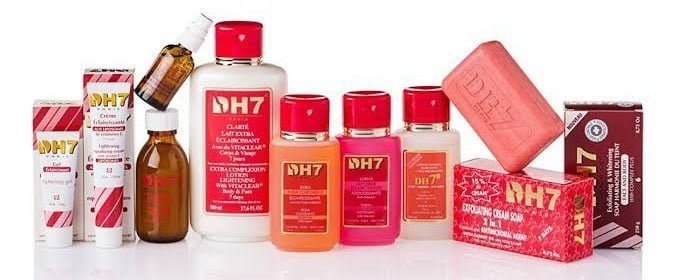
Vitaclear formula for clarity.
What It Does: Brightens with vitamins, reduces imperfections.
Key Active Ingredients: Kojic acid (mild), carrot oil (glow), vitamin C (antioxidant).
Who It Is Best For: Acne scarred or sun damaged skin.
What to Expect (Realistic Timeline): Week 2 to 4: Brighter feel. Week 6 to 8: Faded marks.
Safety Notes: Hydroquinone free; safe for long term. Use SPF.
9. Serial White Gold Cream
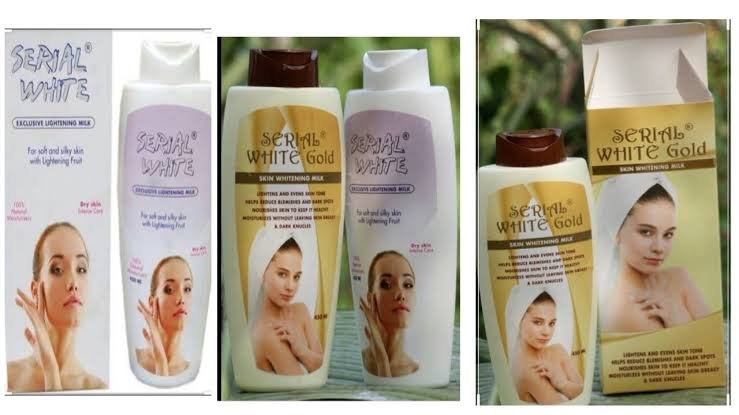
Vitamin packed for maintenance.
What It Does: Evens tone, reduces blemishes.
Key Active Ingredients: Vitamins C, E, B3 (brighten), saffron (regulates melanin).
Who It Is Best For: All tones for daily glow.
What to Expect (Realistic Timeline): Week 2 to 4: Radiant skin. Week 6 to 8: Spot fading.
Safety Notes: No harsh chemicals; SPF 50 included. Safe for sensitive.
10. Skin Magnet Body Lotion
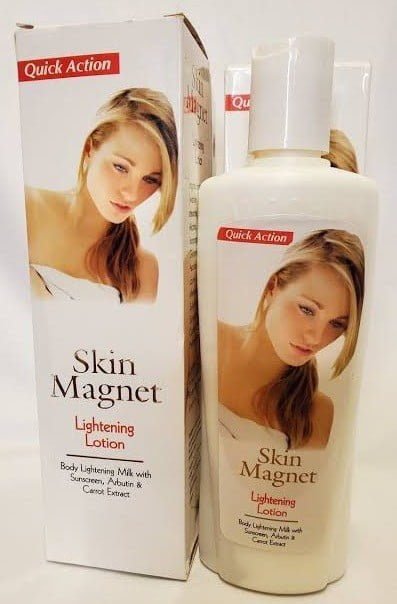
Arbutin based for attraction to evenness.
What It Does: Lightens spots, protects with sunscreen.
Key Active Ingredients: Arbutin (inhibits tyrosinase), carrot extract (beta carotene), avocado oil (nourishes).
Who It Is Best For: Sensitive, spot prone skin.
What to Expect (Realistic Timeline): Week 2 to 4: Hydrated base. Week 6 to 8: Visible evenness.
Safety Notes: Gentle; may irritate very sensitive test. Includes SPF.
Skin Types & Choosing the Right Lightening Cream
Matching to your skin ensures effectiveness without issues.
For Sensitive Skin
Opt for low acid formulas like niacinamide or licorice based (e.g., Nivea or QEI+). Avoid kojic above 1 percent to prevent redness.
For Acne Prone Skin
Azelaic or vitamin C options (DH7) help without clogging; steer clear of heavy oils.
For Hyperpigmentation & Melasma
Consistent use of arbutin or kojic (Skin Magnet) with sunscreen is key; hormonal spots need 8+ weeks.
How to Use Skin Lightening Creams Safely (Step by Step)
Incorporate into routines for best outcomes.
Morning Routine
Cleanse gently, apply lotion sparingly, follow with broad spectrum SPF 30+ to protect gains.
Night Routine
Cleanse, use lotion on targeted areas, layer with a plain moisturizer if dry.
Common Mistakes That Cause Skin Damage
Over applying irritates; mixing products risks reactions. Skipping SPF reverses progress. Using face creams on body can clog; ignoring patch tests leads to allergies.
Are Skin Lightening Creams Permanent?
No melanin production is ongoing. Maintenance with sunscreen prevents reversal; sun exposure quickly undoes results.
Frequently Asked Questions
Are skin lightening creams safe for daily use? Yes, if ingredient safe and patch tested; limit to 2x daily.
Can men use skin lightening creams? Absolutely gender neutral for spots or evenness.
How long before results show? 4 to 8 weeks typically.
Can I stop after results? Yes, but maintenance prevents return.
Final Thoughts Choosing Safety Over Speed
Patience yields lasting evenness. Focus on ingredients, not hype, for healthy skin. Consult pros for personalized advice.

In real life I own a skincare store and trust me, There’s a lot of experience over the years both personally and from customers reviews and that’s exactly what motivated me to starting this blog. To educate more people in this regard and create awareness about many underrated products which are very active.